The meeting at Eamont
There are three written sources of information about this meeting, which is not bad going for an event 1100 years ago! These are:
- a paragraph from Version D of the Anglo-Saxon Chronicle which was written in a northern monastery at the end of 927,
- a poem in Latin written by a scribe who accompanied Athelstan and which was written as though it were a dispatch from Eamont back to the Wessex court. Thus, also believed to be contemporaneous.
- a history written by a monk, William of Malmesbury, in about 1125 called Gesta regum Anglorum (Deeds of the Kings of the English). Although 200 years after the event he may have been working from a contemporaneous source that is now lost.
From the Anglo-Saxon chronicle:
This year appeared fiery lights in the northern part of the firmament and Sihtric departed.
This sounds like a spectacular display of the red Northern Lights visible even down to the South coast. Such signs in the heavens were taken to foretell the death of princes and thus was noted before the recording of the death of Sihtric the Viking King of York. And, incidentally, Athelstan’s brother-in-law as he had married his sister to Sihtric in 926.
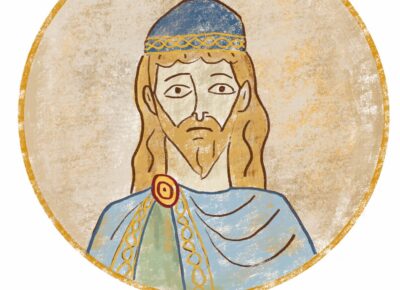
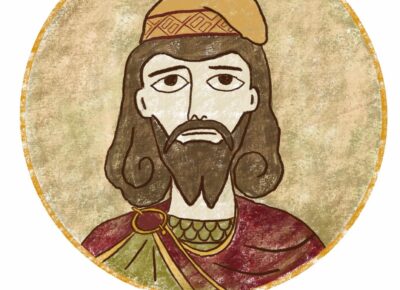
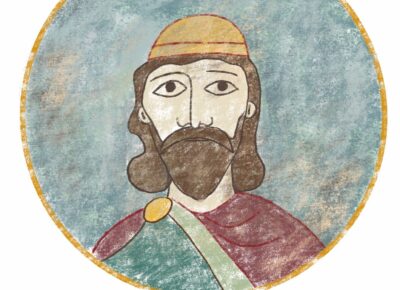
Æthelstan succeeded to Northumbria, and he commanded all the kings of the island, Hywel of the West Welsh, Constantine of the Scots, Owain of Gwent, and Ealdred, son of Eadwulf of Bebbanbrig.
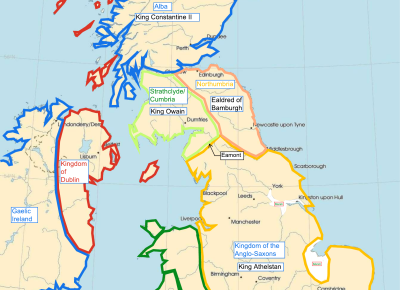
No details on how Athelstan succeeded to Viking Northumbria, which was then known as the Kingdom of York. At the time of the meeting Athelstan had not acquired the English-speaking northern Northumbria as Ealdred was known to be the ruler, though not a king, of North Northumbria.
Maybe Athelstan arrived first at the gates of York before Sihtric’s heir, who would have been either his son or his kinsman Gofraid the King of Dublin, and thus avoided a battle? Or maybe there was a battle and it is meant to be understood in saying that Athelstan ‘came to’ or ‘succeeded to’ Northumbria.
And with covenants and oaths they made their agreement at the place which is called Eamotum on the fourth day before the ides of July. And renounced all idolatry and afterwards returned in peace.
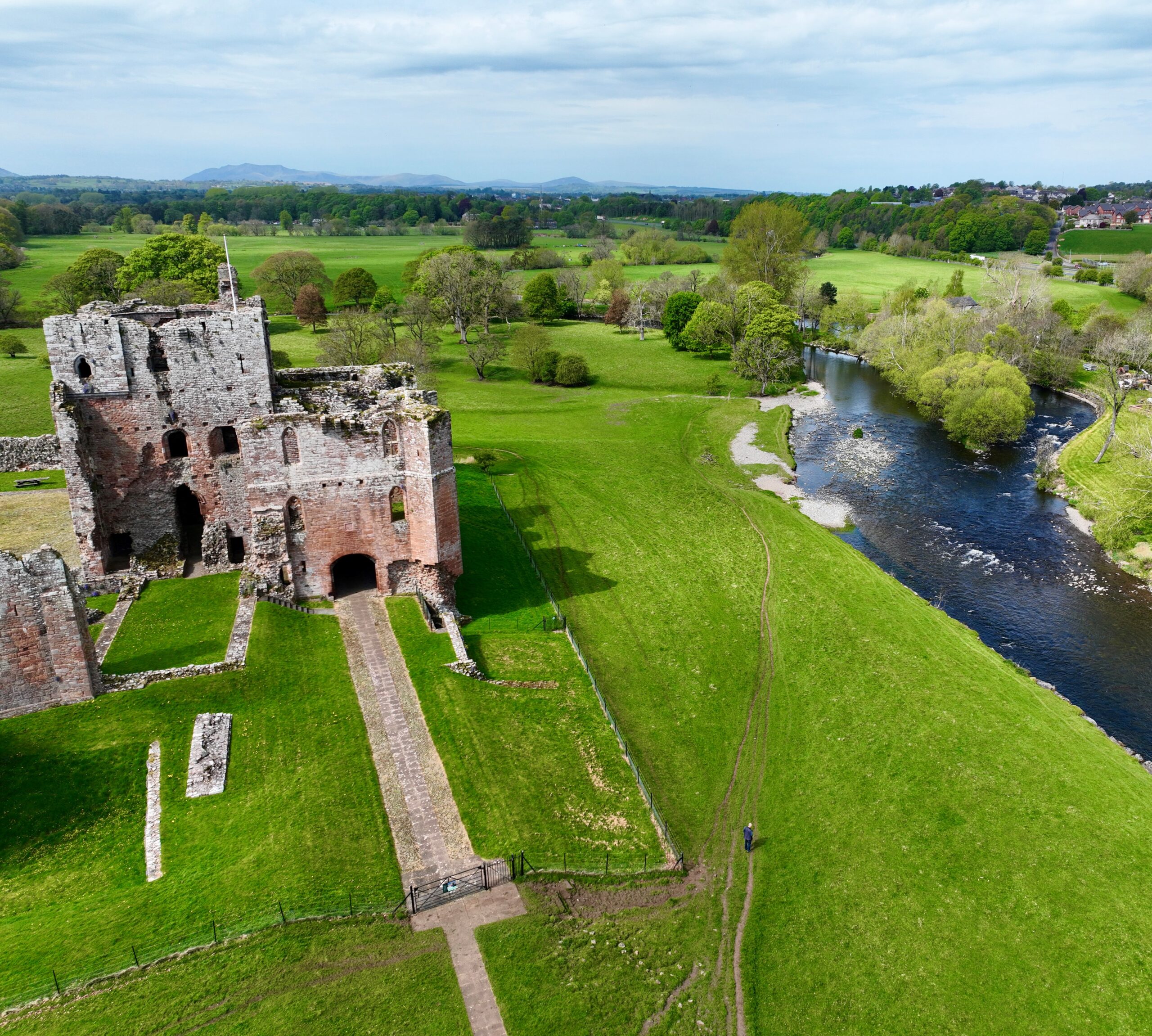
The place is taken to be the area between the Eamont and the Lowther as that was a well-known meeting-place from before Roman times. And the date is 12th July in current usage. The renouncing of idolatry is taken to mean that they all swore not to make alliances with the pagan Vikings.
The list of the kings includes Owain of Gwent a minor Welsh king rather than Owain of Strathclyde, which appears odd as Eamont is on the southern border of Strathclyde and thus Owain of Strathclyde would seem the more obvious participant. And William of Malmesbury notes the kings attending as Constantine of the Scots and Owain of Strathclyde and did not name any other king. Hence the current understanding is that the Owain at the meeting was the King of Strathclyde.
All the named kings, and the assumed Owain, are recorded in other sources as being in power in their relevant area before 927.
The poem written by Petrus [translated from Latin]:
Letter, direct your steps
sailing across the seas
and the expanse of land,
to the king’s palace.
First send your best wishes,
to the queen, the prince,
the distinguished ealdormen
the arm-bearing thegns
whom he now rules in this
England now made whole.
King Athelstan lives
glorious through his deeds!
He, with Sihtric having died,
Now arms for battle
the army of the English
across the whole of Britain
Constantine king of the Scots
hastens to Britain
by supporting the king of the English
he is loyal in his service.
King Athelstan said these things
through the announcements of Peter,
May they be well and live long
through the saviour’s grace
Only the most important of the other kings is mentioned here. Constantine King of Alba [starting to be known as King of the Scots] held Scotland north of the Firth of Forth but he is considered to be more important by Petrus than the two men who held the land between the Forth and the Eamont/Tees.
The story told by William of Malmesbury is that Athelstan caused Gofraid [or Gotfrith, the King of Dublin who was recorded in the Annuls of Ulster as having left Dublin in early 927] to flee to “Scotia”. And thus, Athelstan sent messages to Constantine of the Scots and Owain of the Cumbrians to return this fugitive. Hence Constantine and Owain came to the monastery of Dacre to make peace and Athelstan stood godfather to Constantine’s son.
It is assumed that this story is also about the meeting at Eamont as Dacre is 5 miles from Eamont. Constantine is again named as being the primary other king at the meeting and there are echoes of the Chronicle’s report but it seems to be a completely independent story and William does not seem to have known about Version D of the Chronicle.
It is interesting that there is no documentary evidence of Dacre monastery after the 10th century and the stones found at the site all pre-date the 11th century so William would not have known Dacre as a current monastery in 1125.
The Annuls of Ulster also record that Gofraid reappeared in Dublin about 6 months after he left and took back his authority that he had given to his sons. Thus, whatever happened with fighting at York and fleeing to Scotia it obviously took some time.
There is no particular reason as to why any Welsh king was attending a meeting between Athelstan and the three northern rulers if this was a boundary setting conference. Athelstan did like to have significant men witnessing many of his charters. And Hywel is recorded as being a key signatory on several charters Athelstan made in various parts of Wessex/Mercia over his reign so he might be a high-status witness.
However, the pledging an alliance against the pagan Vikings is also a key part of the agreement and Athelstan would have wanted all Christian kings in Great Britain to swear to that.
…and afterwards returned in peace.
This is the importance of the meeting we understand today. The kings made an agreement and agreed in peace. And we can partly judge what the agreement was by their actions after the meeting.
Coinage
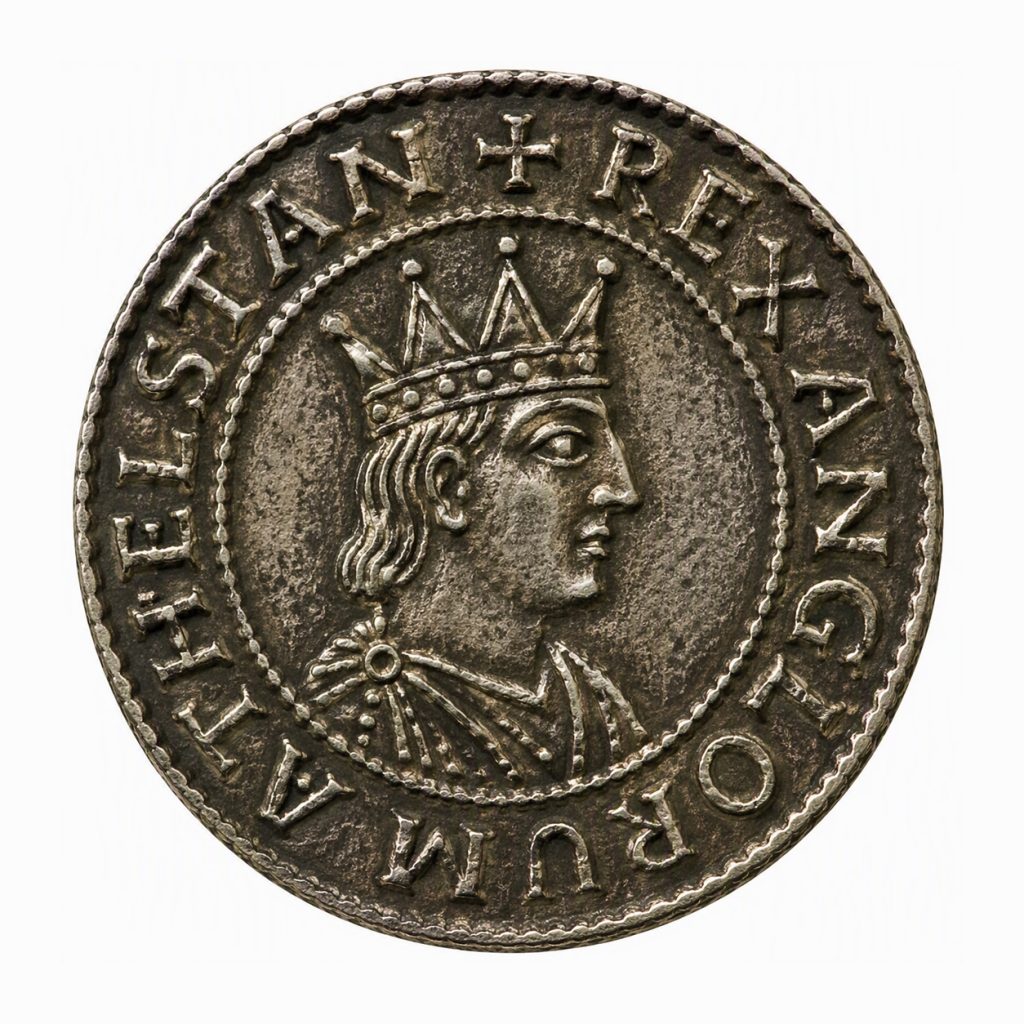
Athelstan issued coinage with the legend Rex Anglorum and his charters also referred to him as ‘king of the English’ rather than the previous Rex Angul-Saxonum. Hence, we can assume that there was an agreement on the area that each king ruled.
All agreements were broken over the years. In 934 Athelstan invaded Scotland, in 937 Owain and Constantine joined with the Viking King of Dublin to join battle with Athelstan. When Athelstan died in 939 the Vikings re-took York and Athelstan’s brothers spent years winning back all his gains. Constantine’s dynasty took over Strathclyde and pushed the border with England down to the Tweed.
But the concept that there was such a place as England and such a person as the King of the English endured.